Aluminum Cosmetic Tubes
A Complete Decision Guide for Cosmetic Brands
For cosmetic brands focused on performance, protection, and premium positioning, aluminum cosmetic tubes remain a proven and reliable packaging solution—provided that specifications are carefully selected and properly tested.
What Are Aluminum Cosmetic Tubes?
Their key function is to provide strong protection against light, oxygen, moisture, and contamination, helping maintain product stability throughout shelf life and consumer use.
Compared with other tube materials, aluminum cosmetic tubes are non-permeable, offer a premium appearance, and are fully recyclable, making them suitable for performance-driven and sustainability-focused cosmetic brands.
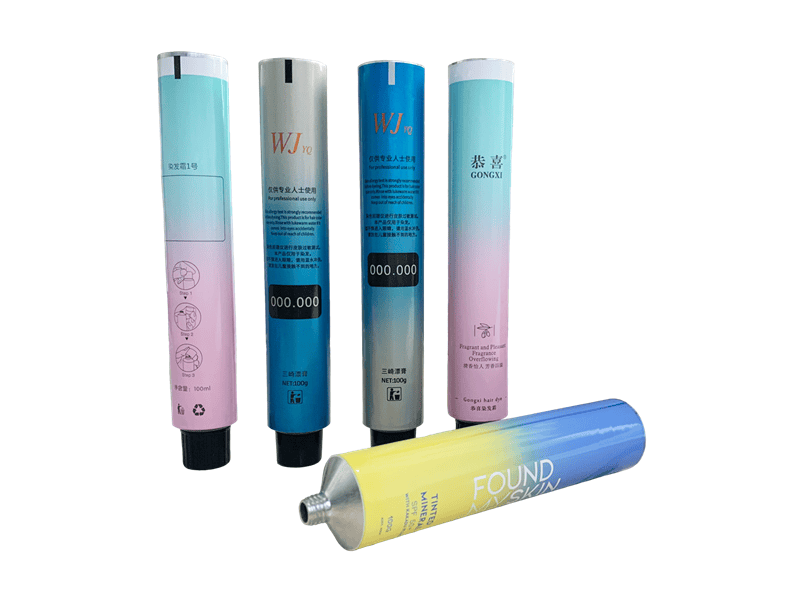
Why Do Cosmetic Brands Choose Aluminum Cosmetic Tubes?
Key reasons include:
- Excellent barrier properties: Aluminum prevents oxygen and light penetration, reducing oxidation and degradation of active ingredients.
- Product integrity and hygiene: Tubes can collapse as product is dispensed, limiting air intake and contamination.
- Compatibility with active formulations: When paired with proper internal coating, aluminum tubes are suitable for many sensitive or high-efficacy formulations.
- Premium and professional positioning: Aluminum packaging is often associated with pharmaceutical, dermocosmetic, and professional skincare products.
- Sustainability advantages: Aluminum is infinitely recyclable without loss of material quality.
Key Specifications That Matter When Choosing Aluminum Cosmetic Tubes
1. Tube Diameter and Capacity
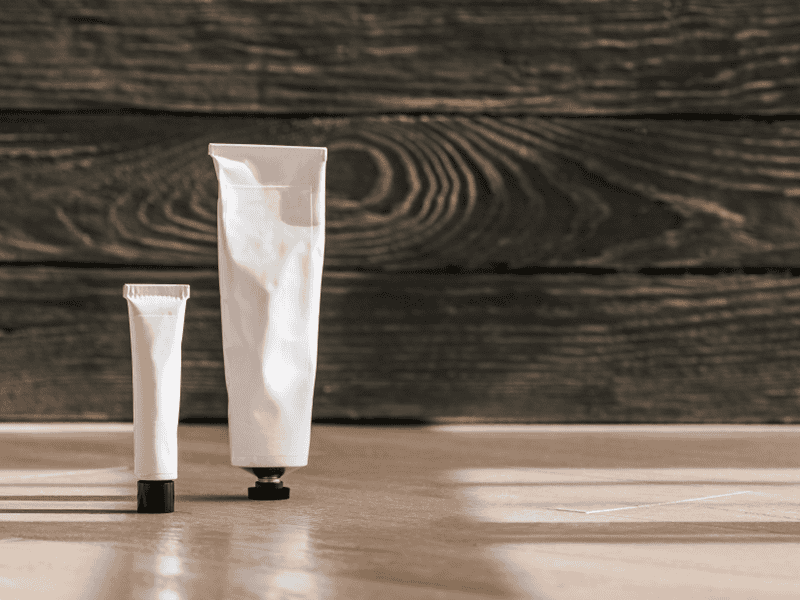
Common diameters range from 13.5 mm to 40 mm, with capacities typically between 5 ml and 100 ml.
- Smaller diameters are often used for eye creams, spot treatments, or samples.
- Larger diameters are suitable for facial creams, body care, or professional-use products.
2. Internal Coating (lacquering)
Internal coating is a critical factor for aluminum cosmetic tubes. Its purpose is to:
- Prevent direct contact between aluminum and the formulation
- Maintain product stability and safety
- Ensure chemical compatibility with active ingredients
3. Nozzle Design and Closure Type
Nozzle and cap selection affects:
- Dispensing control
- User experience
- Product hygiene
4. Decoration and Printing
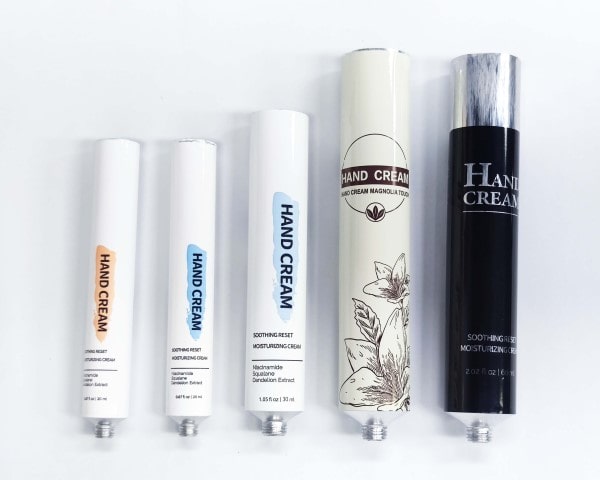
Aluminum cosmetic tubes can be decorated using methods such as offset printing, hot stamping, or coating finishes. Decoration choices influence:
- Brand perception
- Shelf differentiation
- Regulatory labeling clarity
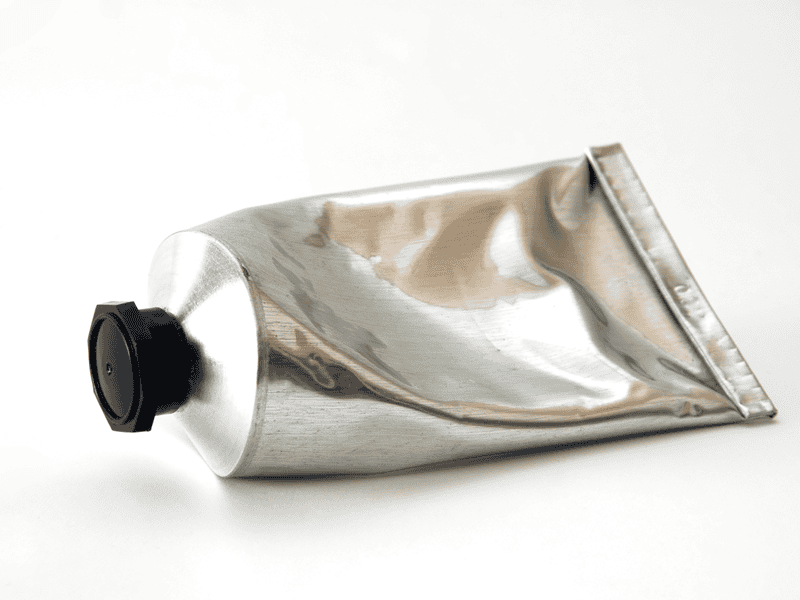
Aluminum Cosmetic Tubes vs Other Tube Materials
When choosing tube packaging, cosmetic brands often compare aluminum tubes with plastic or laminated tubes.
Aluminum Tubes
- Best barrier protection
- Premium and professional appearance
- Fully recyclable
- Require proper coating compatibility
Plastic Tubes
- Flexible design options
- Lower material cost
- Higher permeability to oxygen and gases
Laminated Tubes
- Balanced barrier properties
- Suitable for complex graphics
- Less recyclable depending on structure
Aluminum cosmetic tubes are typically chosen when formulation protection and brand positioning outweigh cost considerations.
Typical Cosmetic Applications for Aluminum Tubes
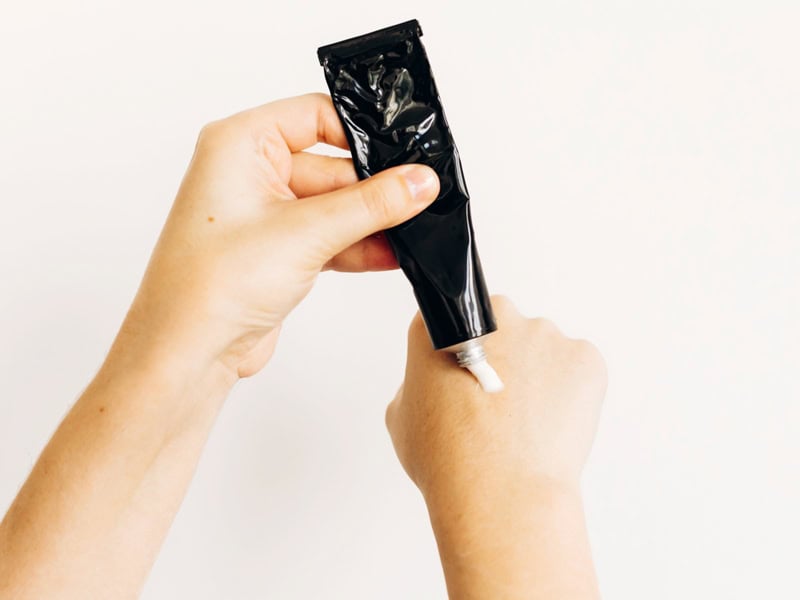
Aluminum cosmetic tubes are particularly suitable for:
- Skincare creams and lotions
- Dermocosmetic and medical beauty products
- Ointments and treatment gels
- Products with active or sensitive ingredients
- Professional-use or premium cosmetic lines
They are less commonly used for products requiring repeated air exposure or extremely high flexibility.
Common Mistakes When
Selecting Aluminum Cosmetic Tubes
Cosmetic brands may encounter issues if key factors are overlooked:
- Choosing tube size based only on appearance
- Ignoring internal coating compatibility testing
- Overlooking regulatory or market-specific requirements
- Focusing on decoration before technical validation
Avoiding these mistakes helps prevent leakage, instability, or product recalls.
How to Evaluate the Quality of Aluminum Cosmetic Tubes
High-quality aluminum cosmetic tubes typically demonstrate:
- Uniform wall thickness
- Reliable internal coating adhesion
- Consistent nozzle and threading precision
- Stable printing and surface finishes
Quality evaluation should include visual inspection, mechanical testing, and formulation compatibility testing.
Sustainability Considerations
Aluminum is one of the most sustainable packaging materials available:
100% recyclable
Can be recycled repeatedly without material degradation
Increasingly accepted in global recycling systems
For cosmetic brands with sustainability goals, aluminum cosmetic tubes offer a balance of environmental responsibility and functional performance.
When Are Aluminum Cosmetic Tubes the Right Choice?
Aluminum cosmetic tubes are the right choice when:
Product stability is critical
Active ingredients must be protected
Premium or professional positioning is desired
Sustainability is a brand priority
They may not be ideal for all formulations, making early-stage packaging consultation essential.
Frequently Asked Questions (FAQ)
Q: Are aluminum cosmetic tubes safe for skincare products?
A: Yes, when combined with appropriate internal coating and compatibility testing, aluminum tubes are widely used for cosmetic and skincare applications.
Q: What is the typical shelf life advantage of aluminum tubes?
A: Their barrier properties help extend product stability by reducing exposure to oxygen and light.
Q: Can aluminum cosmetic tubes be customized?
A: Yes, sizes, coatings, nozzles, closures, and printing options can be customized to meet specific product requirements.
Q: Are aluminum cosmetic tubes recyclable?
A: Yes, aluminum is fully recyclable and considered an environmentally responsible packaging material.